
THE EDGE OF ARMAGEDDON: U.S. SENATE HEARINGS DURING THE CUBAN MISSILE CRISIS, 1962
In October 1962, the discovery of Soviet nuclear missiles stationed in Cuba thrust the United States into the most dangerous confrontation of the Cold War. As reconnaissance photographs confirmed the rapid construction of launch sites just ninety miles from American shores, the United States Senate convened emergency sessions involving the Committee on Foreign Relations and the Committee on Armed Services. With the world standing on the brink of nuclear war, lawmakers faced decisions that could determine the survival of nations.
The Senate chamber became a forum for sharply divided perspectives. Military leaders pressed for decisive action, including air strikes or a full-scale invasion of Cuba. Intelligence officials warned of incomplete information and the risk of miscalculation. Diplomatic advisers urged restraint, emphasizing the need for negotiation to avoid catastrophic escalation. Meanwhile, public fear mounted as citizens followed developments through radio broadcasts and newspaper headlines, aware that global annihilation was no longer an abstract threat.
At the heart of the debate lay the dual reality of American power. The United States possessed overwhelming nuclear capability and global influence, yet any use of that power risked uncontrollable consequences. Senators grappled with questions of executive authority, the limits of military force, alliance credibility, and the moral responsibility of acting in a nuclear age. Every option carried profound risks: weakness could invite further Soviet aggression, while aggression could trigger irreversible destruction.
Delegates to this committee are tasked with navigating a moment of unprecedented danger. Through classified briefings, testimony from defense officials, intelligence revelations, and urgent policy deliberations, senators must assess the balance between national security and global survival. This committee will operate as a hybrid, combining legislative procedure with occasional crisis elements. The decisions made here may not only shape the outcome of the Cuban Missile Crisis, but redefine the future of international relations in the nuclear era.
-
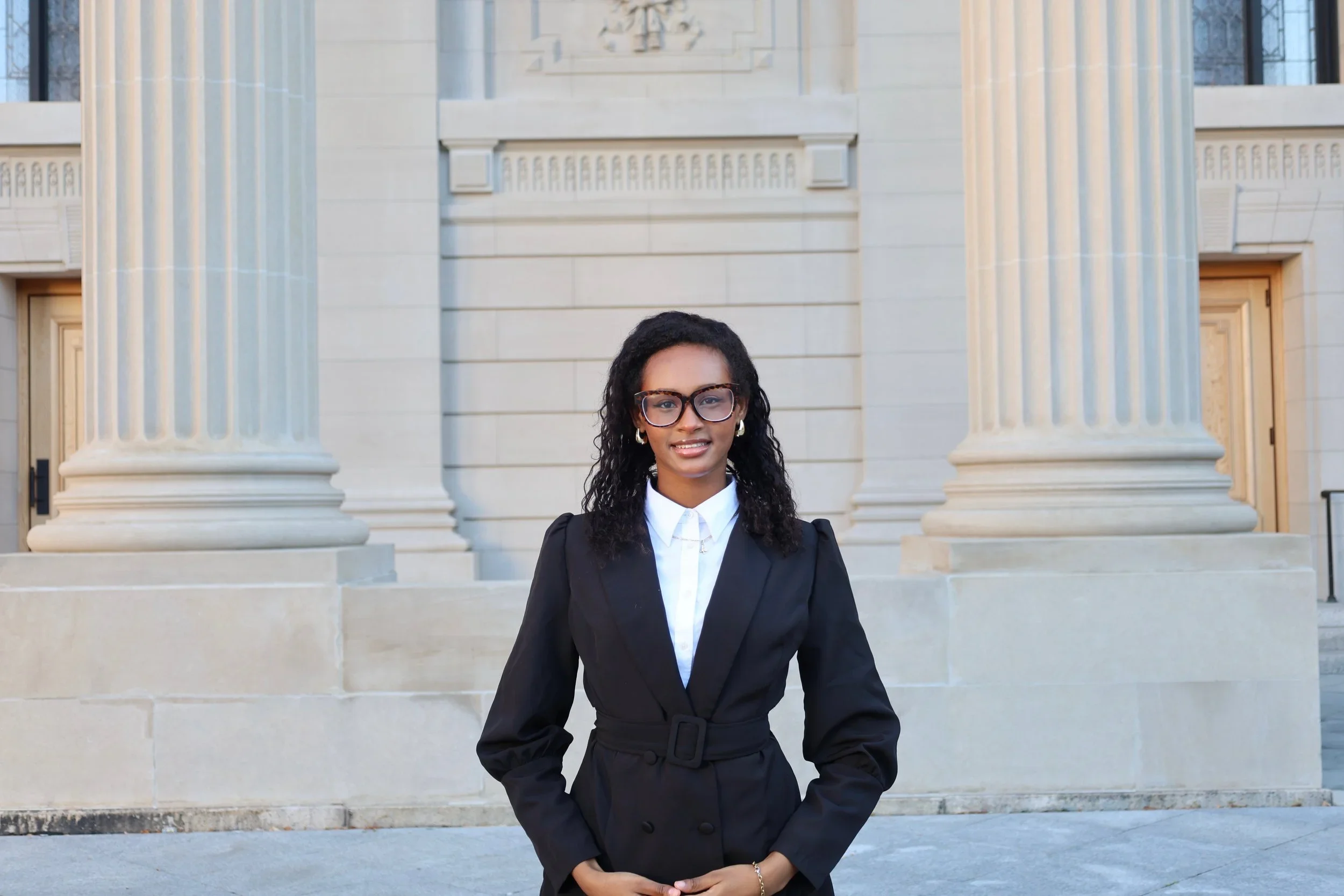
Awa-Bilan Amarreh
COMMITTEE CHAIR
Awa-Bilan Amarreh is a sophomore from Minneapolis, MN, studying Global Affairs. She speaks English, Somali, and French. At Yale, she is a member of the competitive travel Model UN Team at Yale known as MUNTY, where she also serves on the team's executive board.
She is also a member of Fashion Lifestyle at Yale, Yale's Black Pre-Law Society, and the official hostess of her sorority, Alpha Kappa Alpha Sorority Incorporated. Outside of school, she is a signed model and an active fashion lover. In her free time, you can find her reading a good book, finding a new coffee shop/restaurant, or hanging out with her friends.